Red Leopard: The Bold Display Font for Fierce Branding
In the world of design, there are safe choices, and then there are statements. If you are a designer, entrepreneur, or creative looking to break away from the noise of standard sans serif font options, it is time to look at Red Leopard. This is not just a typeface; it is a texture. It is a premium font that brings the raw, untamed energy of the animal kingdom directly into your layout. By seamlessly merging creativity with exoticism, Red Leopard offers a distinct typographic journey that turns simple text into a visual experience.
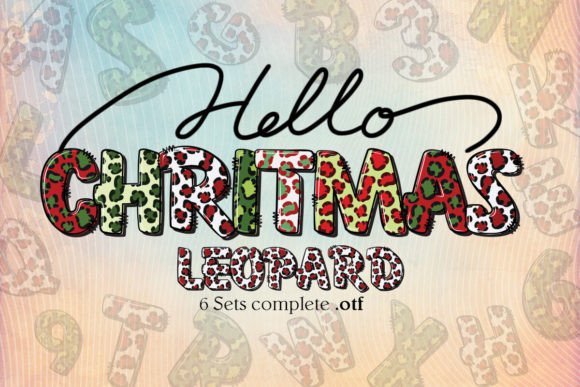
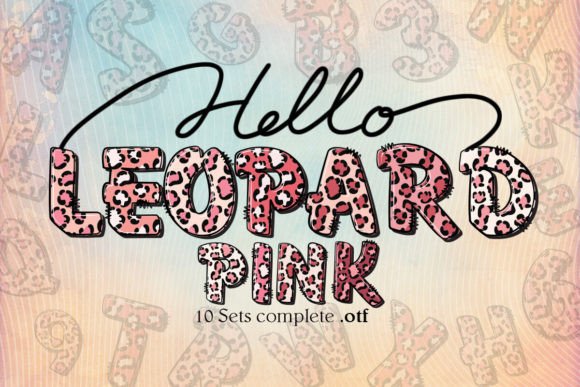
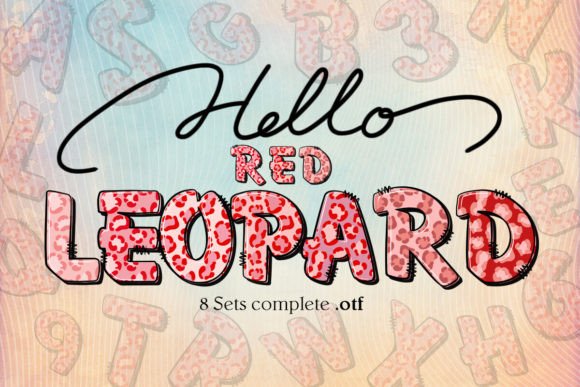
At its core, this display font features a striking leopard skin pattern embedded directly into the letterforms. It reminds us of the majestic cheetah’s aesthetic but with a unique, primal twist. It is a leopard patterned alphabet, giving text a polished yet savage look. Whether you are crafting a logo or designing a social media post, Red Leopard forces the viewer to pay attention. It is a creative font designed to inject personality into projects that need a voice louder than the average.
Unleashing the Wild Side: Visual Style and Personality
When we talk about the personality of a typeface, we are talking about the emotion it evokes. Red Leopard screams confidence. It is bold, aggressive, and undeniably stylish. The visual characteristics rely heavily on the interplay between the letter shape and the animal print fill. This creates a sense of depth and texture that flat colors cannot achieve.
However, it is important to understand the versatility of this design asset. The font family often includes variations like the Valentine Leopard style, which adds a romantic edge perfect for Valentine’s Day projects or feminine branding. This allows you to shift the mood from "wild jungle" to "wild romance" simply by toggling a style. It is this range that makes Red Leopard more than just a novelty; it is a tool for nuanced brand identity.
Where to Use This Exotic Typeface
Knowing where to deploy a bold font like this is half the battle. Because of its intricate detailing, Red Leopard is best used as a headline or accent font. It is not designed for body text in long-form articles, but it shines in specific environments:
- Packaging Design: If you are selling products related to beauty, fashion, or lifestyle, Red Leopard can make your packaging pop on the shelf.
- Social Media Graphics: In a scrolling feed, standard text gets ignored. A leopard font stops the thumb and grabs the eye.
- Logo Design: For brands that want to project a fierce, independent image, this font provides an instant visual hook.
- Editorial Design: Use it for magazine covers or pull quotes to add a layer of exoticism to your layout.
- Event Invitations: Whether it is a jungle-themed party or a bachelorette weekend, the font sets the tone immediately.
Practical Application and Compatibility
As a professional, you need to know that a beautiful design is useless if it doesn't work with your tools. Red Leopard is a commercial font that comes with specific compatibility notes you need to keep in mind to avoid workflow hiccups.
The most critical distinction lies in the color version versus the black version. The Red Leopard color version is a specialized asset. It is compatible with design programs that support multi-layer or SVG color fonts, such as Adobe Photoshop, Adobe Illustrator, Silhouette Studio, and Inkscape. However, the OTF and TTF files of the color version are not compatible with Cricut Design Space.
If you are using a Cricut machine or other basic cutting software, you must use the black version of the font. This version retains the shape and texture but renders it in a single color, ensuring it cuts cleanly. Always test your design assets before starting a large project to ensure the rendering matches your expectations.
Design Strategy: Pairing and Hierarchy
Using a creative font like Red Leopard requires a bit of restraint. Because the font is highly decorative, it creates a strong visual hierarchy on its own. To maintain professionalism and readability, you should pair it with something neutral.
A clean sans serif font or a minimal serif font works best as a companion. For example, use Red Leopard for your main headline to establish the "wild" vibe, then use a geometric sans serif for the sub-headers and body copy. This contrast ensures that your message is readable while still maintaining the exotic aesthetic.
Here are a few tips for font pairing:
- Keep it Simple: Do not mix Red Leopard with other script fonts or handwritten fonts. It will look cluttered.
- Mind the Size: This font is a display font. It should be used large. If you make it too small, the leopard pattern details will be lost or look like noise.
- Color Harmony: If using the color version, ensure your background color doesn't clash with the red and black tones of the font.
Evaluating the Fit for Your Brand
Before you commit to using Red Leopard, you need to evaluate if it fits your brand's voice. Does your brand speak with authority? Is it playful? Is it luxurious? Red Leopard fits best with brands that want to be seen as bold, daring, and perhaps a little rebellious.
For example, a boutique marketing agency might use this font for a specific campaign launch to show they think outside the box. A fashion blogger might use it for their website headers to emphasize style and trendiness. It is a modern typography choice that bridges the gap between animal instinct and digital design.
Ultimately, Red Leopard turns simplicity into allure. It is a savage beauty that allows you to embrace the spirit of the wild in your digital and print projects. By understanding its strengths and technical requirements, you can use this font to create work that is not only seen but remembered. Whether you are designing for a client or your own small business, let your typography do the roaring.